CSDS Workshop
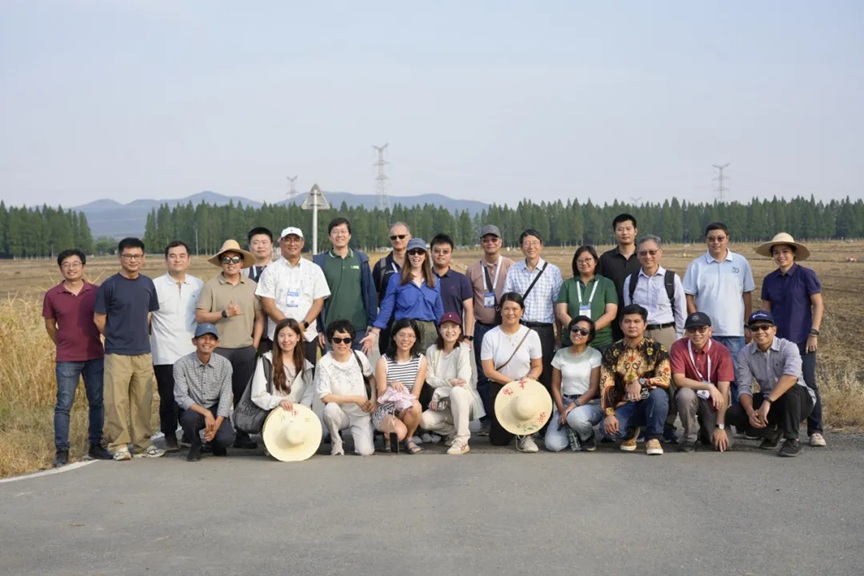
As a flagship side event of the 23rd World Congress of Soil Science (Nanjing, 7–12 June 2026), the China–Australia–ASEAN Symposium on Biofertilizers, Biopesticides, and Biostimulants was successfully held from 9 to 11 June 2026 at the Nanjing International Expo Centre.
The Symposium was jointly organized by the University of Melbourne and Nanjing Agricultural University, and co-organized by the Jiangsu Academy of Agricultural Sciences, the Centre for Sustainable Development Studies (CSDS) at Hong Kong Baptist University (HKBU), and the Global South Sustainable Agriculture Network.
Grounded in the development needs of soil health and climate-smart agriculture, the Symposium adopted the theme “Leveraging Cross-Regional Collaboration to Scale Up the Implementation of Soil Health and Climate-Friendly Agriculture in Southeast Asia.” It brought together multi-stakeholder experts from industry, academia, research institutions, enterprises, and investment sectors across China, ASEAN countries, and Australia. The event established a comprehensive international platform integrating cutting-edge research sharing, field visits, and industry matchmaking to promote the transfer and practical implementation of China–Australia green agricultural technologies in ASEAN countries.
Led by prominent figures including Prof. Deli CHEN, Redmond Barry Distinguished Professor, University of Melbourne, and Prof. Qirong SHEN, Professor at Nanjing Agricultural University and Fellow of the Chinese Academy of Engineering, the event attracted top international researchers in soil science and bio-agriculture. Participants included representatives from agricultural enterprises, research institutions, and investment organizations across ASEAN countries, as well as scholars, agricultural innovators, entrepreneurs, investors, and policymakers from China and Australia. It served as a high-level, pragmatic platform for green agriculture cooperation between China and Southeast Asia in the post-chemical fertilizer crisis era.
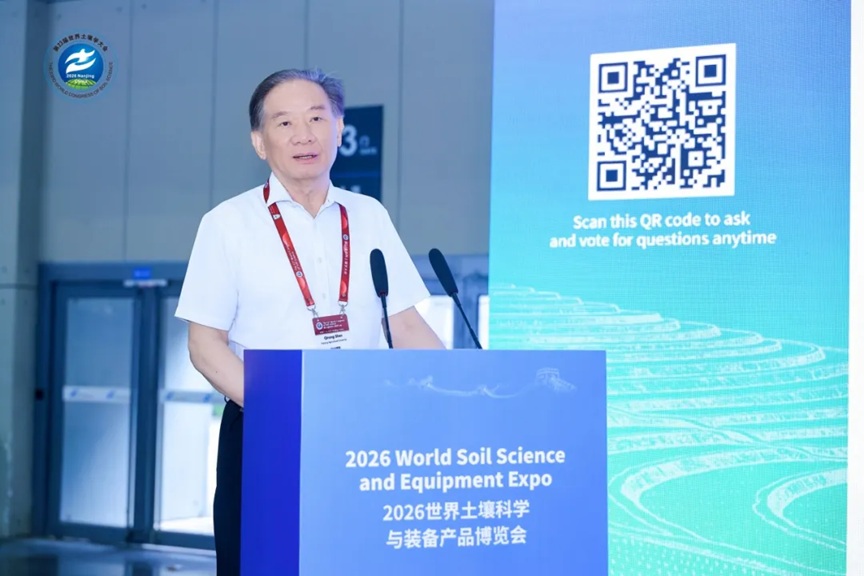
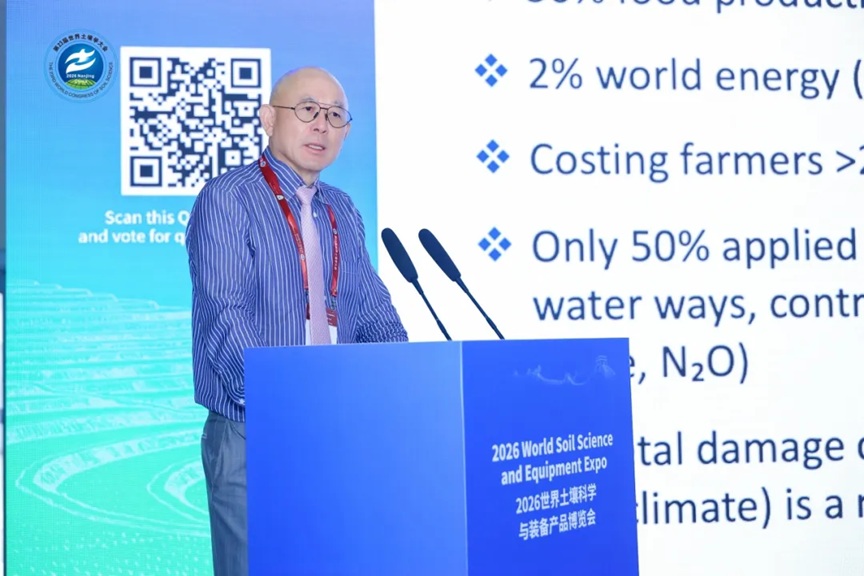
Global agriculture faces the triple challenge of increasing production while ensuring supply security, soil remediation, and emission reduction/carbon sequestration. Excessive chemical fertilizer use has led to cropland degradation and elevated greenhouse gas emissions, compounded by volatility in global fertilizer supply chains. In response, biofertilizers, microbial inoculants, biological control products, and other green inputs have emerged as key solutions for agricultural transformation. The Symposium addressed these pressing issues through three core agendas: keynote academic presentations, industry field studies, and closed-door multi-stakeholder discussions. The three-day programme progressed in a structured manner, fostering deep integration across industry, academia, and research.
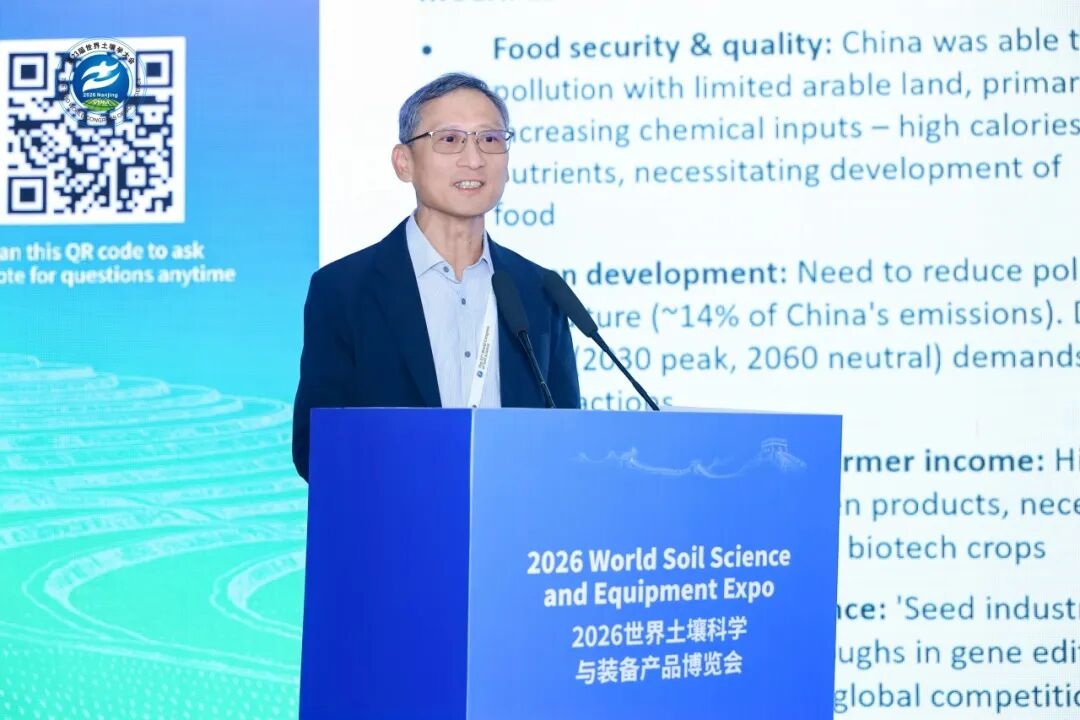
Prof. Yuk-shing CHENG, Director of the CSDS, shared insights on China’s models of industry-academia-research-government collaboration and the rapid industrialization of scientific achievements. He particularly emphasized how government strategies — encouraging agricultural scientists to move beyond laboratory research and work closely with farming practitioners — can effectively promote the widespread adoption of bio-agriculture.
Field visits were arranged to Nanjing’s leading agricultural science and technology sites, offering participants a first-hand view of China’s “Agricultural Silicon Valley.” The group toured major facilities including the Nanjing Vegetable Research Institute Demonstration Base, Jiangsu Sinong Biological Preparation Factory, Tangquan Farm Field Demonstration Zone, Nanjing Hongwang Black Soldier Fly Factory, and Woyou Biofertilizer Factory. Participants observed the full biofertilizer production chain — from laboratory trials and intelligent automated solid-state fermentation lines to drone application in the field — and engaged directly with frontline growers and enterprise technical teams. They also explored full circular agriculture fertilizer production systems.
The organizers noted that, by leveraging the platform of the 23rd World Congress of Soil Science, the Symposium effectively combined China’s strengths in mature bio-agricultural technologies with ASEAN’s vast market potential. It helped bridge the research-to-industry chain, laid the foundation for a sustainable China–ASEAN soil health collaboration network, and advanced South-South agricultural technology cooperation to support cropland improvement, agricultural decarbonization, and food security in Southeast Asia.
For the detailed report in Chinese, please click here.